Overview: Vaginal laser care at Trinity Women’s Clinic is a non-surgical, energy-based category for selected gynecologic concerns after examination. It is not the same as vaginal tightening surgery (vaginoplasty), and it is only one path under the broader vaginal rejuvenation decision guide.
Consultation is with female board-certified OB-GYN specialists in Gangnam, Seoul (about 1 minute from Sinsa Station).
What is vaginal laser treatment?
Vaginal laser treatment uses controlled energy platforms (focused ultrasound, CO₂ fractional laser, or radiofrequency) applied to vaginal tissue as part of a gynecologic plan. Clinic materials describe these approaches as supporting tissue remodeling and comfort goals when clinically appropriate — without surgical reconstruction of the vaginal canal.
Response varies. Energy-based care does not automatically treat every cause of dryness, laxity, or urinary symptoms, and it does not replace surgery when structural reconstruction is needed.
What concerns may lead to consultation?
Some patients seek consultation for:
- Vaginal dryness or discomfort
- Menopausal tissue changes
- Mild laxity concerns after childbirth or aging
- Early stress urinary symptoms discussed alongside other options
- Preference for a non-surgical pathway when examination supports it
These symptoms can have different causes, so consultation is needed before deciding whether an energy-based treatment is appropriate.
Who may be a candidate?
Vaginal laser may be discussed when examination and history suggest an energy-based plan could be reasonable, and when patients understand that results vary. Vaginal laser is not appropriate for every patient or every cause of vaginal symptoms. Significant structural laxity or conditions needing reconstructive surgery are evaluated on the surgical tightening guide instead.
How treatment is planned
Planning typically includes symptom review, gynecologic consultation, examination, and medical history. When an energy-based option is appropriate, device selection is individualized (laxity-focused vs dryness/mucosal concerns vs milder maintenance goals).
Trinity’s Korean clinical materials commonly describe a course of about 3 sessions spaced about 3–4 weeks apart, with optional maintenance discussed later. Exact session count and intervals are confirmed after examination — not fixed by a webpage.
Treatment options available at Trinity
Verified platforms currently described in Trinity’s official Korean vaginal laser materials:
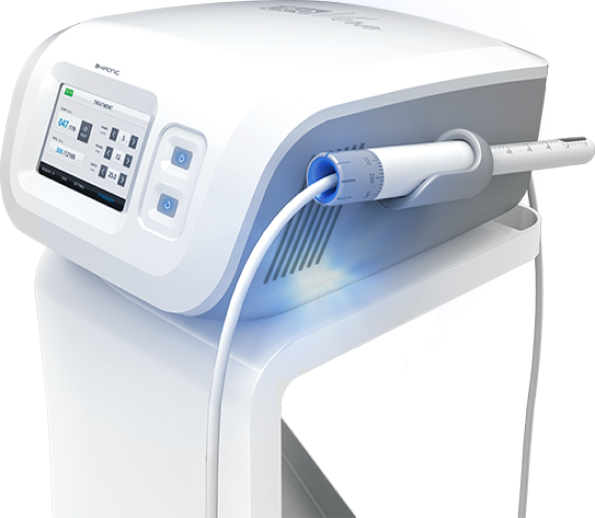
Zisella — focused ultrasound (HIFU)
Zisella delivers focused ultrasound energy intended to reach deeper tissue layers (clinic materials cite about 4.5 mm). It is often discussed when deeper tightening goals are the priority and when patients want a non-surgical approach.
MonaLisa Touch — CO₂ fractional laser
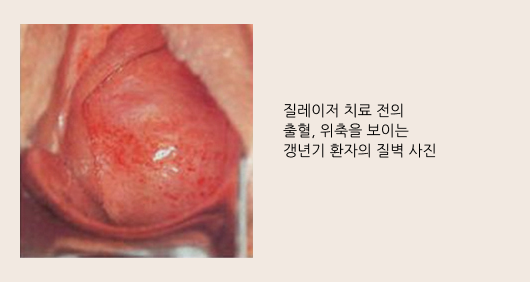
MonaLisa Touch (DEKA CO₂ fractional) is often discussed for mucosal concerns such as dryness, atrophy-related change, or irritation when examination supports that pathway.
Revive — radiofrequency (RF)
Revive uses radiofrequency energy and is often discussed for milder remodeling or maintenance-oriented plans.
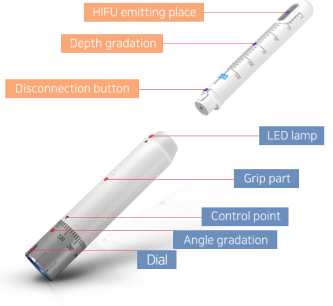
Device choice is clinical, not marketing-driven. Combination plans are sometimes considered after examination.
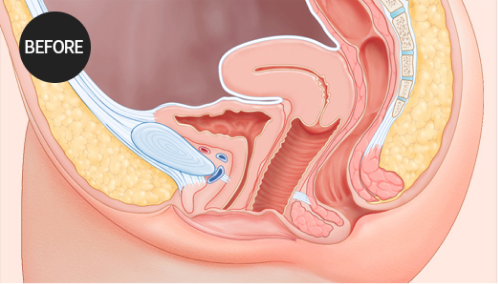
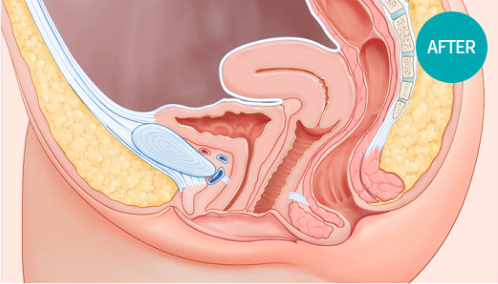
Vaginal laser vs vaginal tightening surgery
| Vaginal laser | Vaginal tightening surgery | |
|---|---|---|
| Category | Non-surgical energy-based | Surgical structural approach |
| Focus | Selected mucosal / energy-based goals | Canal / pelvic support reconstruction when indicated |
| Surgical reconstruction | No | Yes |
| Candidacy | Exam-dependent; not for every symptom | Separate surgical evaluation |
Laser is not described as delivering the same outcome as surgery. Details: vaginal tightening surgery in Korea.
Vaginal laser vs vaginal filler
Filler is a different non-surgical category focused on volume-related concerns when indicated. It is not the same as energy-based laser care. See vaginal filler in Korea.
Vaginal dryness and menopausal changes
Vaginal dryness may have multiple causes; menopause can be one factor. Gynecologic evaluation may be needed, and treatment options may include approaches other than laser. Dryness alone does not mean laser is automatically indicated.
Related reading: menopause center guide.
Risks and limitations
Possible issues discussed around energy-based care may include temporary warmth, pressure, discomfort, irritation, or mild spotting depending on the device and individual response. Results vary. Energy-based treatment may not replace surgery when structural laxity is significant, and it is not a guarantee of improved sexual satisfaction or a specific sensation outcome.
After vaginal laser treatment
Aftercare depends on the device used and individual response. Trinity’s Korean materials commonly discuss short activity restrictions that differ by platform (for example, a same-day return to intimacy is sometimes discussed for Zisella when cleared, while other platforms may advise a few days to about a week). Your physician will advise when normal activities, exercise, bathing, and sexual activity can be resumed — do not use a calendar alone.
Planning vaginal laser treatment in Seoul
International patients typically:
- Contact the clinic with concerns and travel timing
- Complete consultation and examination
- Proceed only if an energy-based plan is appropriate
- Receive aftercare and follow-up guidance
Exact stay length should be confirmed with the clinic. For visit planning, see international patients in Seoul. Request a private consultation.
Physicians
Vaginal laser pathways at Trinity are planned with the clinic’s female board-certified OB-GYN specialists:
- Dr. Nan-hee Jeong (정난희) — OB-GYN, MD/PhD (Korea University); clinical professor (Kyung Hee University). Focus includes women’s aesthetic gynecology and energy-based gynecologic care, including MonaLisa Touch pathways described in Trinity materials.
- Dr. Gi-yeol Yang (양기열) — OB-GYN, MD/PhD (Kyung Hee University); adjunct professor. Focus includes women’s aesthetic gynecology and related energy-based / reconstructive planning.
For physician-focused reading, see the MonaLisa Touch / key doctors guide. Device and candidacy decisions remain individualized.
Educational content for international patients. Not a guarantee of outcomes. Final recommendations are made after consultation. Individual results vary.