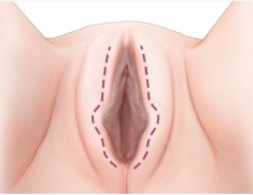
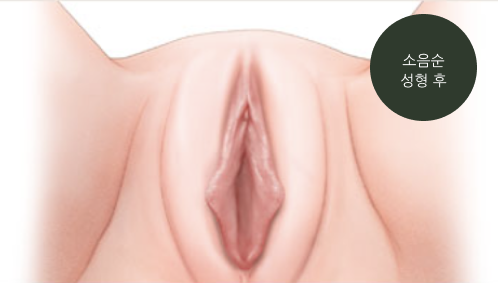
Overview: Labiaplasty reshapes or reduces the labia minora when elongation, asymmetry, or redundant folds cause physical discomfort or personal concern. Normal labial appearance varies widely — asymmetry alone is not a disease and does not automatically require surgery.
Trinity Women's Clinic in Gangnam, Seoul (about 1 minute from Sinsa Station) provides individualized labiaplasty consultations with female OB-GYN specialists for patients concerned about labial asymmetry, enlargement, irritation, discomfort, or appearance — including international patients.
Why women consider labiaplasty
Some patients consider labiaplasty because labial hypertrophy or asymmetry after pregnancy, aging, or congenital variation may be associated with:
- Chafing in tight clothes or during exercise
- Discomfort when tissue folds during intercourse
- Recurrent irritation or hygiene difficulty
- Left–right asymmetry that causes functional or aesthetic concern
Surgery is considered after examination — not because a particular appearance is “abnormal.”
Anatomy: normal variation vs hypertrophy
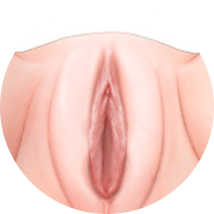
Normal labia vary widely. Surgery may be discussed when size or shape causes distress or physical symptoms.
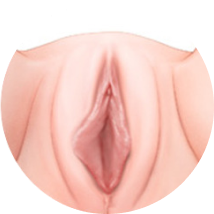
Unilateral hypertrophy — one side larger; uneven friction may occur.
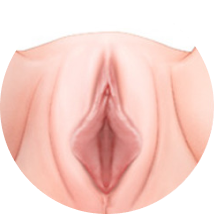
Bilateral hypertrophy — both sides enlarged with redundant folds.
How labiaplasty is planned at Trinity
Planning typically includes assessment of labia minora length and thickness, left–right balance, tissue volume and contour, clitoral-hood folds when relevant, pigmentation concerns, and perineal continuity. The goal is to correct only what is needed — avoiding one-size-fits-all trimming and preserving a natural contour where possible.
Desired degree of reduction is discussed in consultation before surgical extent is decided. Trinity’s pathway may use micro-laser sculpting with careful hemostasis, followed by fine micro-sutures placed with attention to tissue alignment. Exact technique and whether whitening is combined are decided after examination.
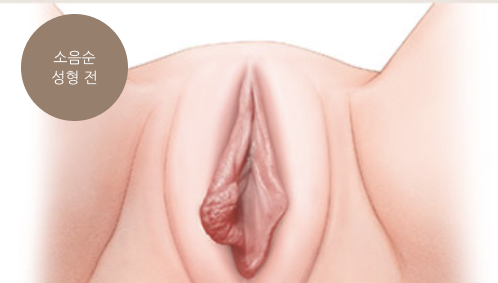
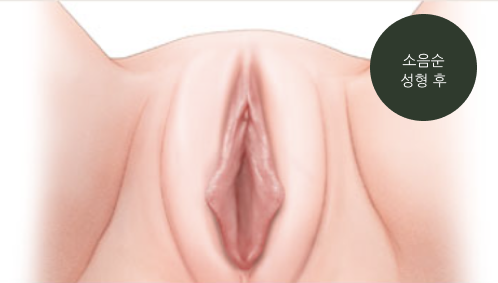
Surgery facts (typical ranges — confirm with your surgeon)
- Time: about 40–60 minutes (often within about 1 hour)
- Anesthesia: local anesthesia with or without twilight sedation
- Stay: outpatient / same-day discharge in many cases
- Sexual activity: usually resumed only after surgeon clearance (often discussed in a multi-week window; individual advice applies)
- Bathing / sauna: staged according to wound healing