The intimate area is one of the most sensitive and hormone-dependent regions of the female body. After the age of 25–30, the production of collagen, elastin, and hyaluronic acid in the tissues gradually decreases. Following childbirth, during periods of stress, rapid weight loss, or hormonal changes (especially during peri- and postmenopause), involutional processes intensify. The tissues become thinner and less elastic, natural hydration decreases, and sensitivity may also decline.
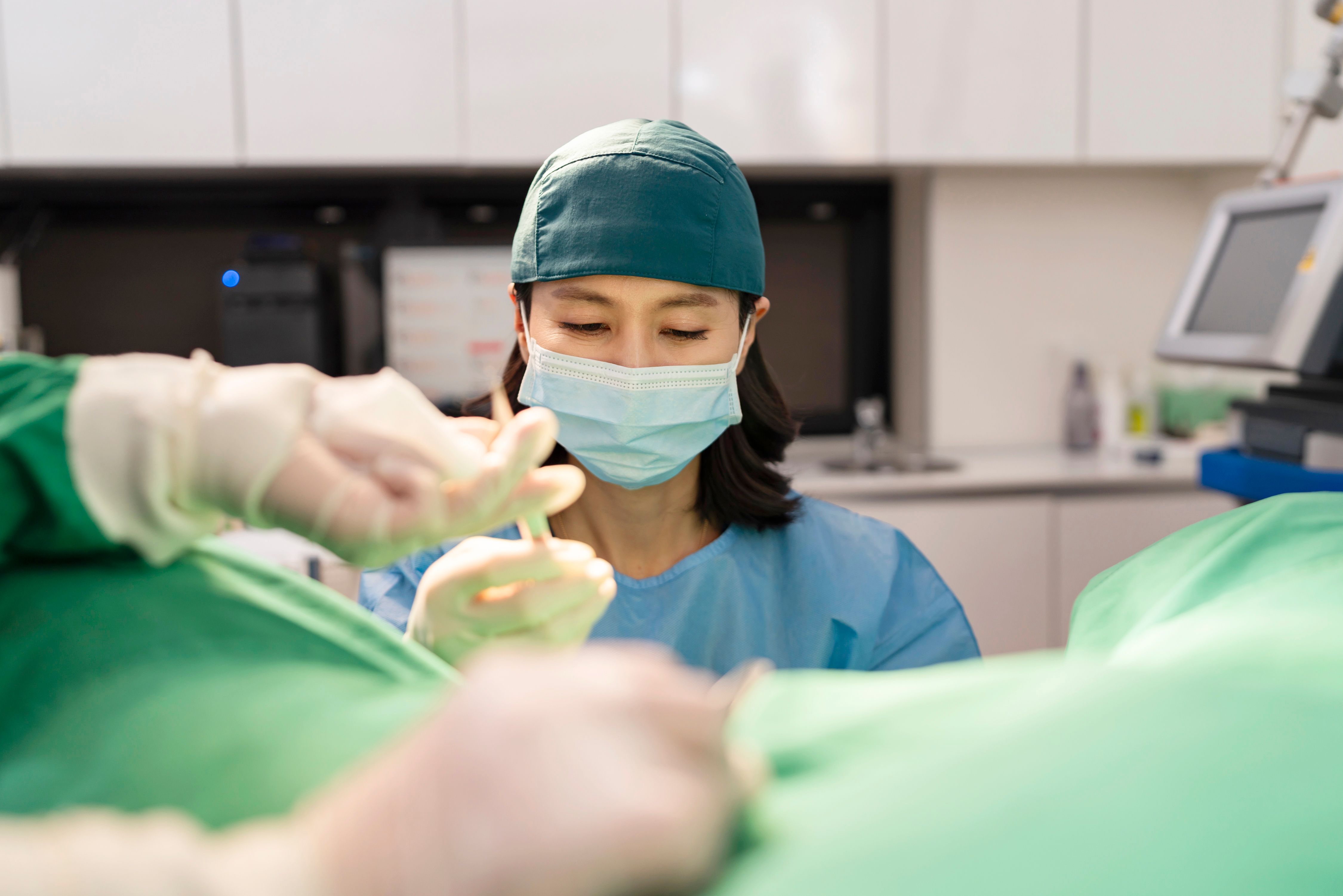
Today, intimate rejuvenation is no longer considered a “luxury” or a taboo topic, but rather part of a comprehensive approach to women’s health, alongside the treatment of mucosal atrophy, genitourinary syndrome of menopause, and postpartum changes.
According to the International Society of Aesthetic Plastic Surgery, the number of aesthetic intimate procedures worldwide continues to grow each year. More and more women seek not only solutions to medical concerns, but also improvements in quality of life, sexual comfort, and self-confidence. Modern aesthetic gynecology offers delicate and minimally invasive correction methods — vaginal fillers, boosters, and collagen stimulators — which address not only volume restoration but also tissue quality at the cellular level.
What are vaginal fillers, boosters, and collagen stimulators. And what are they used for.
Vaginal Fillers
Most commonly, hyaluronic acid–based products are used.
What do fillers do?
Restore lost volume in the labia majora area
Improve tissue turgor and density
Increase hydration
May enhance sensitivity
Indications:
Atrophy and “volume loss” of the labia majora
Age-related volume reduction
Postpartum changes
Aesthetic discomfort
Effect:
Results are visible immediately after the procedure and typically last 8–12 months (depending on the product used and individual characteristics).
Intimate Boosters
Boosters are low–molecular weight hyaluronic acid–based products aimed not at adding volume, but at improving tissue quality.
What do boosters do?
Deeply hydrate the mucosa
Improve microcirculation
Increase elasticity
Reduce dryness and discomfort
Indications:
Vaginal dryness
Early signs of atrophy
Discomfort during intimacy
Perimenopause and postmenopause
Boosters are especially relevant during hormonal changes and may be used as an alternative or complement to local hormone therapy.
Collagen Stimulators
Unlike fillers, collagen stimulators do not simply add volume but stimulate the body’s natural collagen production.
What do collagen stimulators provide?
Tissue densification
Improved tone
Long-lasting lifting effect
Improved mucosal structure
Feature:
The effect develops gradually (over several weeks) but lasts longer — up to 1.5–2 years.
Safety and Recovery
Procedures:
Performed on an outpatient basis
Take approximately 20–40 minutes
Carried out under local anesthesia
Do not require prolonged recovery
Usually recommended:
Abstaining from sexual activity for 3–7 days
Avoiding baths, saunas, and intense physical exercise for 5–7 days

Important
Intimate injections should be performed only by a gynecologist or a specialist trained in aesthetic gynecology. A medical examination and exclusion of contraindications (inflammatory conditions, infections, pregnancy, etc.) are required prior to the procedure.
Vaginal fillers, boosters, and collagen stimulators often serve as an effective alternative to surgical interventions — especially in the early stages of age-related or postpartum changes. They help improve tissue quality, restore volume, and enhance comfort without general anesthesia, incisions, or prolonged recovery. However, it is important to understand that injectable methods cannot always replace surgery. In cases of significant vaginal widening, substantial damage to the muscular and fascial structures of the pelvic floor, or pronounced prolapse, surgical correction — such as vaginoplasty or levatoroplasty — may be a more effective solution. The optimal treatment strategy is determined individually after medical evaluation: in some cases, a minimally invasive procedure is sufficient; in others, surgery provides a more comprehensive and long-lasting result.
If you are planning to undergo high-quality medical evaluation and treatment in Seoul, South Korea, our multilingual coordinators will assist you in communicating with doctors and clinic staff.
Trinity Women's Clinic
Phone/WhatsApp: +82 10-5128-8875
Address: 3F, Rex Tower, 108 Dosan-daero, Gangnam-gu, Seoul
Instagram: @the_trinity_clinic