Labiaplasty: The Complete Medical Guide (Procedure, Recovery, and Safety)

By Dr. Nan-hee Jeong MD, PhD, Obstetrician & Gynecologist at Trinity Women’s Clinic
For many women, Labiaplasty (Labia Minora Reduction) is more than just a cosmetic procedure; it is a life-changing decision that resolves years of physical discomfort and psychological insecurity.
As a specialist in female intimate aesthetics in Seoul, I often meet international patients who travel specifically for the high precision of Korean medical technology. However, finding reliable, medically accurate information online can be difficult.
This guide provides a comprehensive medical overview of Laser Labiaplasty, covering the surgical techniques used at Trinity Women's Clinic, the recovery timeline, and the scientific evidence regarding safety and satisfaction.
1. What is Labia Minora Hypertrophy?
The labia minora are the inner folds of skin surrounding the vaginal opening. Labia Minora Hypertrophy refers to a condition where these folds are enlarged, asymmetrical, or protrude significantly beyond the labia majora (outer folds).
While anatomical variations are normal, significant hypertrophy can cause:
- Physical Discomfort: Irritation when wearing tight clothing (like yoga pants or jeans).
- Pain during Activity: Discomfort during exercise (cycling, running) or sexual intercourse.
- Hygiene Issues: Difficulty maintaining cleanliness during menstruation.
According to a study published in the Aesthetic Surgery Journal, over 90% of patients report a significant improvement in self-esteem and sexual function following corrective surgery [1].

2. The Procedure: Why "Laser" Precision Matters
At Trinity Women's Clinic, we utilize a Dual-Laser Technique rather than a traditional scalpel. This is a critical distinction for international patients seeking minimal downtime.
Scalpel vs. Laser Labiaplasty
- Traditional Scalpel: Often causes more bleeding and post-operative swelling.
- Laser Technique (Our Standard): The laser seals small blood vessels as it cuts (hemostasis). This results in:
- Less Bleeding: Significantly reduced risk of hematoma.
- Precision: Allows for "micro-sculpting" of the edges for a natural, pinkish hue rather than scarred tissue.
- Faster Healing: Reduced tissue trauma accelerates the recovery phase [2].
Surgical Method: The "Wedge" vs. "Trim"
We do not use a "one-size-fits-all" approach. Depending on your anatomy, we employ:
- Edge Trim Method: Removes the dark, excess edges. Best for simple elongation.
- Central Wedge Resection: Removes a V-shaped piece of tissue from the center. This preserves the natural wrinkled edge and is preferred for thicker labia.
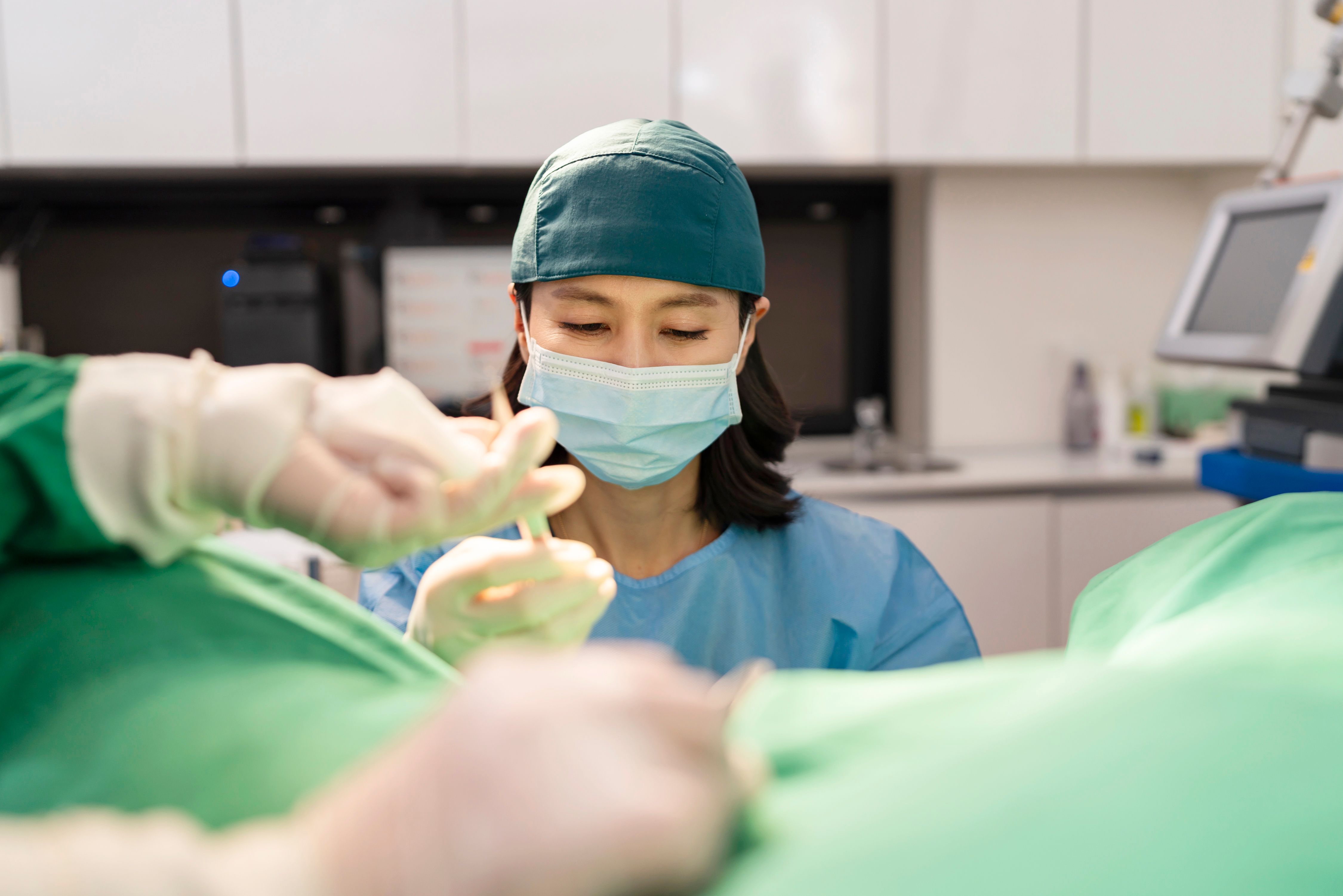
3. Recovery Timeline: What to Expect
One of the most common questions I receive from overseas patients is, "When can I fly back home?" or "When can I walk?"
- Day of Surgery: You can walk immediately. The procedure is performed under local anesthesia with conscious sedation (sleep anesthesia), so you will feel no pain. You can return to your hotel/accommodation on the same day.
- Days 1–3: Mild swelling and spotting are normal. We recommend applying ice packs and resting. Pain is usually manageable with oral painkillers.
- Week 1: Most international patients fly back home 3–5 days post-op. Stitches used are dissolvable, so suture removal is often unnecessary (or optional depending on the case).
- Weeks 2–3: You can resume sexual activity and strenuous exercise (gym, swimming).
Doctor’s Note: At Trinity, we provide a specialized "After-Care Kit" for our international guests to manage hygiene easily during their flight home.
4. Risks and Side Effects
Labiaplasty has a high satisfaction rate (over 95%) [3], but like all surgeries, it carries risks.
- Transient Risks: Swelling, bruising, and mild itching during healing.
- Rare Complications: Infection (very rare with laser sterilization), asymmetry, or wound dehiscence (opening of stitches).
To minimize these risks, surgeon expertise is paramount. We strictly adhere to sterile protocols and use microsurgical suture techniques to ensure the scar is virtually invisible.
5. Cost of Labiaplasty in Korea
While costs vary depending on the complexity (e.g., if Clitoral Hood Reduction is also needed), medical tourism in Korea offers a significant advantage. The cost of Labiaplasty in Seoul is generally 30–50% more affordable than in the US or UK, despite utilizing higher-spec laser equipment.
- Note: For a precise quote, we recommend sending photos via our secure, encrypted consultation channel.

Conclusion
Labiaplasty is a delicate procedure that requires both artistic sensibility and medical precision. At Trinity Women's Clinic, our goal is not just "reduction," but "restoration" of balance and comfort.
If you are considering this procedure in Seoul, rest assured that our team is experienced in supporting international patients through every step—from the airport to the operating room and back home.
References (Scientific Basis)
- Motakef S, et al. "Vaginal Labiaplasty: Current Practices and a Simplified Classification System for Labial Protrusion." Plastic and Reconstructive Surgery. 2015.
- Gress S. "Composite reduction labiaplasty with laser resection: a retrospective review of 85 cases." Aesthetic Plastic Surgery. 2013. (Demonstrates the efficacy of laser techniques in reducing scarring).
- Sorice SC, et al. "Patient Satisfaction and Clinical Outcomes after Labiaplasty." Aesthetic Surgery Journal. 2017. (Cites >95% satisfaction rates).