As many women reach the age of 40, they begin looking for ways to “delay” menopause and manage its symptoms. In this case, regenerative medicine can offer support.
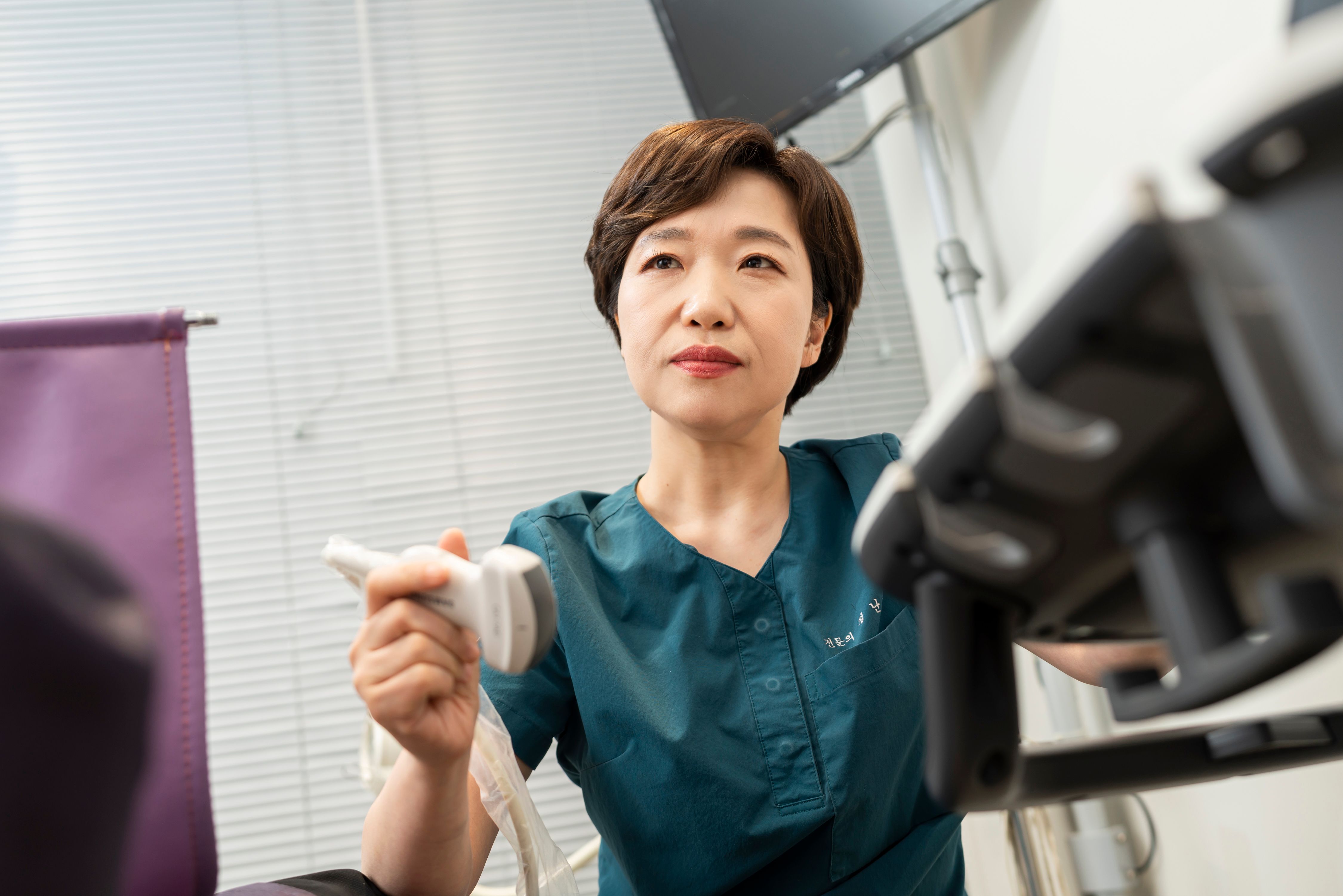
What Is Regenerative Medicine
Regenerative medicine is a medical field focused not on masking symptoms, but on supporting the body’s natural ability to restore tissues using its own resources.
These methods include:
PRP — platelet-rich plasma
SVF — stromal vascular fraction of adipose tissue
Both approaches use the patient’s own biological material rather than medications or hormones.
PRP (Platelet-Rich Plasma)
PRP is blood plasma with a high concentration of platelets, obtained after centrifugation of the patient’s own blood.
Effects of PRP on the body:
accelerates tissue regeneration
improves the quality of skin and mucous membranes
reduces inflammation
supports recovery after injuries
SVF (Stromal Vascular Fraction)
SVF is a cellular fraction derived from the patient’s own adipose (fat) tissue.
Effects of SVF on the body:
enhances tissue repair and recovery
improves the quality of skin and mucous membranes
reduces chronic inflammation
supports regeneration after tissue damage
Which Menopause Symptoms Can Regenerative Medicine Help With
1. Vaginal atrophy and dryness
During menopause, as well as due to age-related or hormonal changes, vaginal tissues may become thinner and lose natural moisture. Regenerative therapy helps improve tissue quality and maintain a comfortable level of hydration.
2. Vaginal discomfort during menopause
A decrease in estrogen levels often leads to dryness and reduced sensitivity. Regenerative therapy activates tissue repair processes and helps reduce discomfort.
3. Mild urinary incontinence
In early stages of stress urinary incontinence (for example, during coughing or sneezing), regenerative therapy may be used to improve the strength and quality of pelvic tissues.
4. Dryness and sensitivity of the vulvar skin
In cases of irritation, dryness, or increased sensitivity of the external genital skin, regenerative therapy helps improve skin elasticity and hydration.
5. Reduced vaginal sensitivity
In some cases, sexual sensitivity may decrease. Regenerative injections improve microcirculation and may positively affect sensitivity in the intimate area.
6. Wrinkles and darkening of the intimate area skin
For aesthetic concerns such as uneven skin tone or wrinkles in the external genital area, regenerative injections may help improve appearance and promote tissue renewal.
7. Intimate area rejuvenation
With age-related loss of skin firmness and volume, regenerative therapy stimulates natural renewal processes and helps improve the appearance of the intimate area.
8. Alopecia (hair loss)
Regenerative therapy significantly improves hair quality. Activation of cytokines and growth factors in treated areas stimulates inactive follicles, promoting hair regrowth.
9. Facial skin aging
The goal is to improve skin quality, stimulate regeneration, and restore a fresh, youthful glow. Regenerative therapy helps reduce fine lines, wrinkles, and general signs of aging.
10. Arthritis, osteoarthritis, and joint pain during menopause
Joint problems during menopause are associated with decreased estrogen levels, which accelerate cartilage and bone degeneration, leading to osteoporosis and osteoarthritis accompanied by pain, stiffness, and cracking. Regenerative therapy has expanded treatment options for joint diseases. Previously, surgery or intra-articular hormonal injections were often the only available solutions.
Advantages of Regenerative Medicine
The advantages of PRP (Platelet-Rich Plasma) and SVF (Stromal Vascular Fraction) therapies lie in the use of the patient’s own cells to promote tissue regeneration, reduce pain and inflammation, ensure safety (no risk of allergy or rejection), and provide minimally invasive treatment without the need for complex rehabilitation.
At Trinity Women’s Health Clinic, you can always receive professional consultation on regenerative therapies during menopause, and our physicians will develop the most suitable treatment plan for you.
If you are planning to undergo high-quality medical evaluation and treatment in Seoul, South Korea, our multilingual coordinators will assist you in communicating with doctors and clinic staff.
Trinity Women's Clinic
Phone/WhatsApp: +82 10-5128-8875
Address: 3F, Rex Tower, 108 Dosan-daero, Gangnam-gu, Seoul
Instagram: @the_trinity_clinic